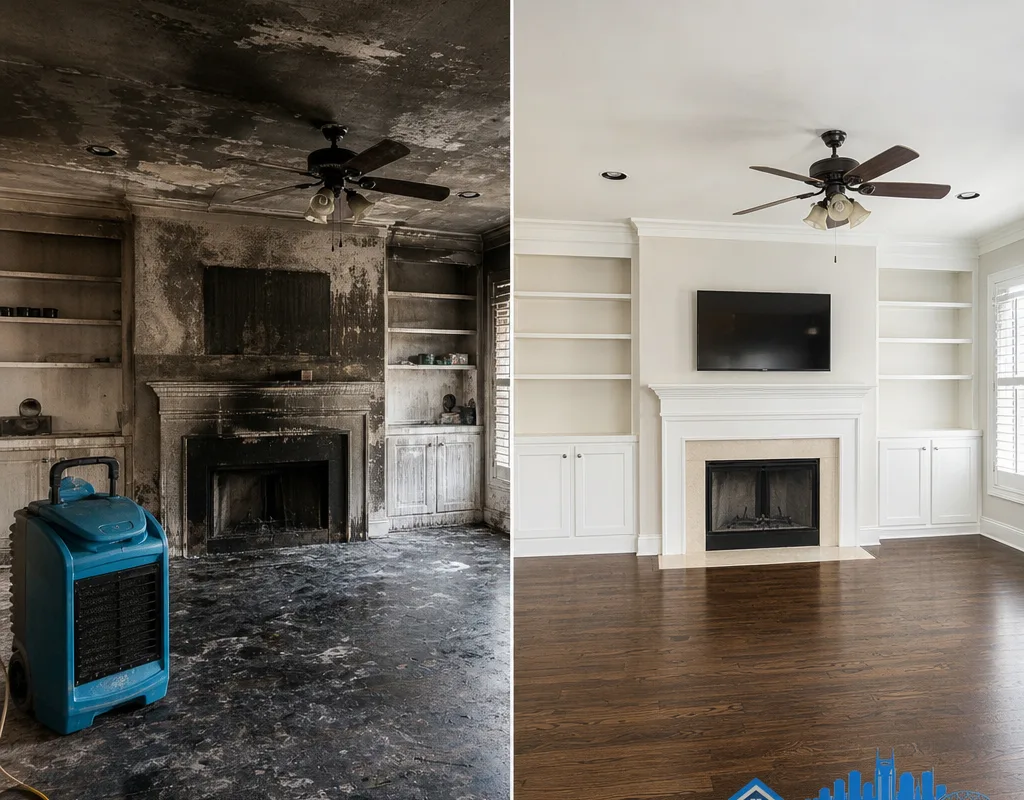
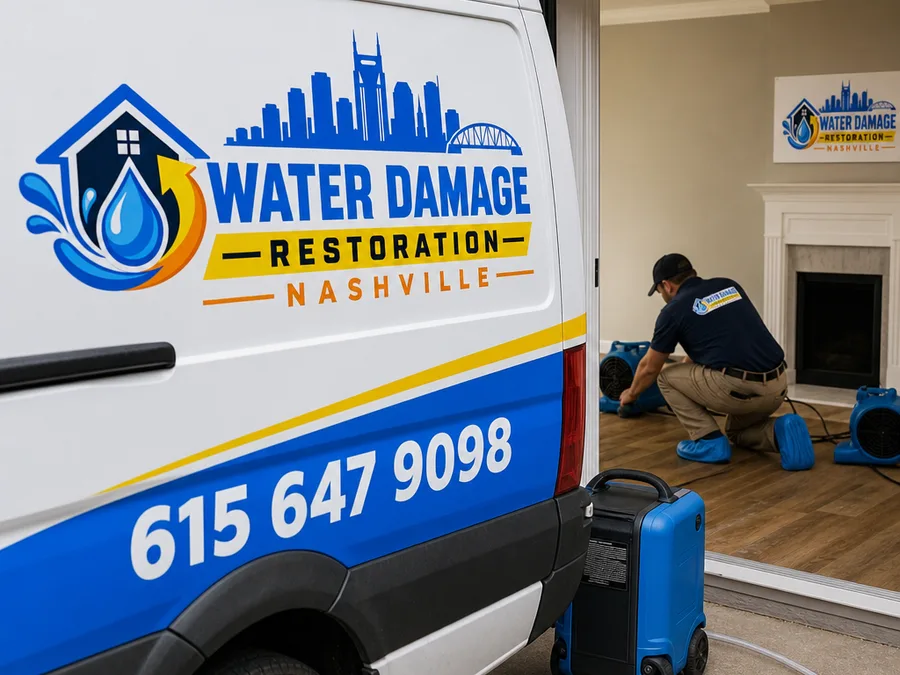
Safety-first stabilization
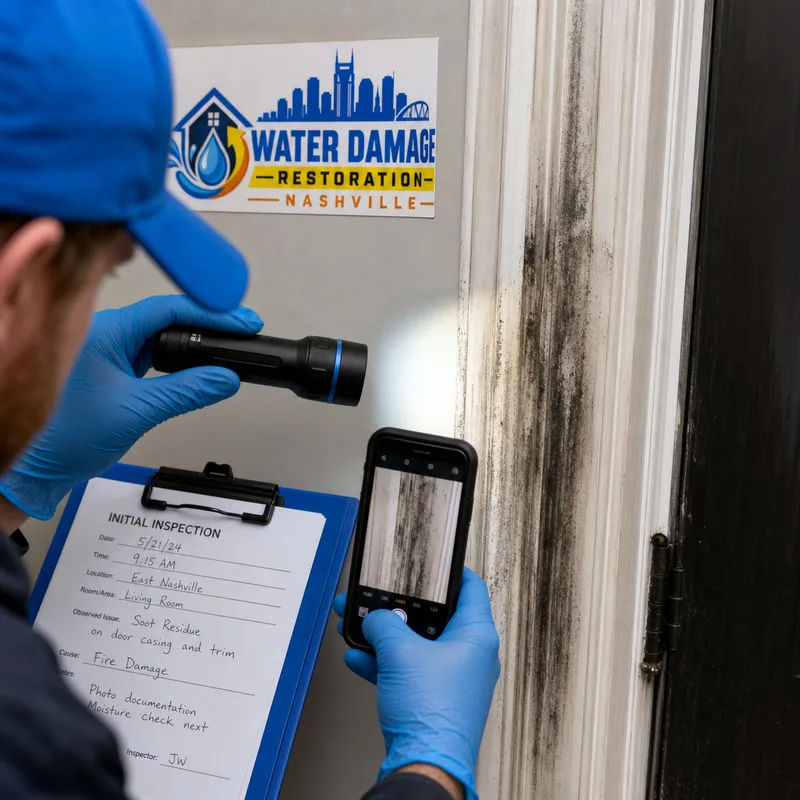
We address hazards early: compromised drywall or ceilings, sharp debris, weakened framing, and soot-contaminated surfaces that should not be disturbed without proper controls.
Serving Nashville, Tennessee & surrounding areas
Fire damage restoration in Nashville, TN
After a fire, speed and sequence matter. Our team stabilizes the structure, removes smoke and soot, and coordinates the repair plan so you can get back to a safe home with clear documentation from day one.
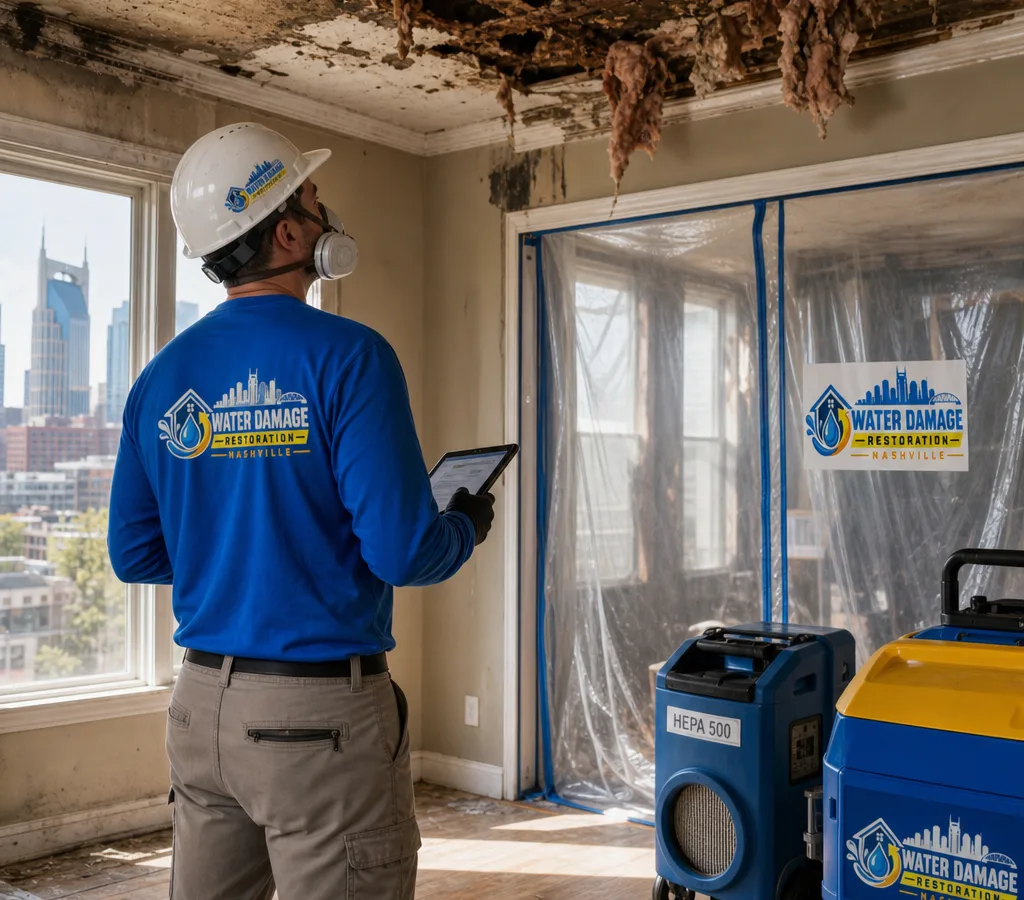
The right restoration sequence
Fire damage restoration is more than cleaning up what you can see. A typical Nashville loss involves a mix of heat damage, soot residue, smoke odor, and water damage from suppression efforts. The safest results come from doing the work in the right order so soot is not spread, odors are not sealed into surfaces, and damaged structural materials are not left in place.
On a standard project, restoration starts with stabilizing the property and controlling air movement. Then we remove loose debris, isolate affected areas with containment, and begin soot and smoke residue removal using HEPA-filtered vacuums and appropriate dry-cleaning methods. Once surfaces are properly cleaned, we move into odor control—often using hydroxyl generators, thermal fogging, or targeted sealing when needed—followed by drying and dehumidification if water is present. Repairs and rebuild only make sense after the environment is clean and dry and hidden damage has been identified.
If you are searching for fire damage restoration Nashville homeowners can rely on, look for a team that can explain the sequence in plain language and put it in writing before demolition or repairs begin.
Material-specific cleanup
Different materials hold smoke and soot differently, and the plan should match what your home is made of. In many Nashville neighborhoods you will see a mix of older plaster walls, hardwood flooring, brick fireplaces, and newer drywall and engineered materials. Each responds to fire residue in its own way.
We inspect by material and by path of smoke travel, not just by the room where flames were visible. That includes attics and crawlspaces, HVAC returns and supply runs, cabinet interiors, and porous contents like upholstery and rugs. We also look for secondary damage like compromised electrical components, warped framing, and charred insulation that can keep odor and contamination in the home.
Local factors can change the approach. Humid Middle Tennessee weather can slow drying after suppression water, which raises the risk of corrosion and microbial growth if drying is delayed. And because smoke migrates fast in open floor plans, a small kitchen fire can still require whole-home odor control and detailed cleaning in adjacent rooms.
If you are dealing with water at the same time, our crew can coordinate the drying and documentation as part of the full restoration plan. You can also get a sense of our overall approach through Water Damage Restoration.
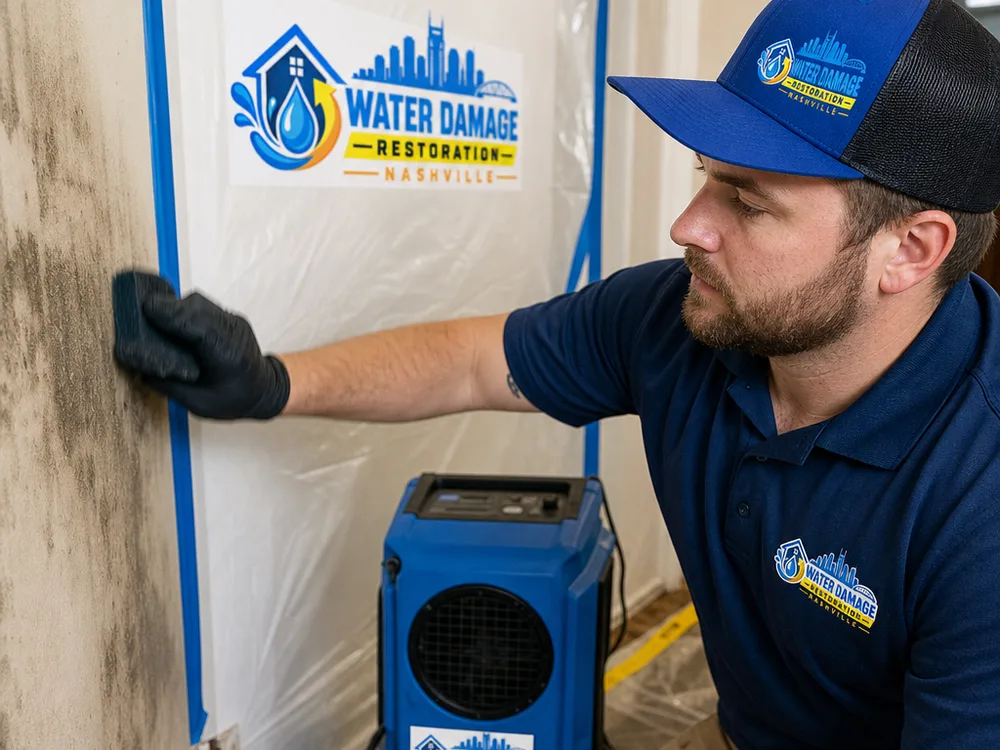
Clear controls and documentation
We address hazards early: compromised drywall or ceilings, sharp debris, weakened framing, and soot-contaminated surfaces that should not be disturbed without proper controls.
Negative air setups and HEPA air scrubbers help keep soot from spreading into clean areas during cleanup, especially in hallways, stairwells, and shared HVAC zones.
We match the method to the surface, including dry cleaning where appropriate and controlled wet cleaning where it will not drive soot deeper or damage finishes.
We use proven odor control methods, then verify results before repairs. When sealing is necessary, it happens after proper cleaning, not instead of it.
Clear photos, moisture mapping when water is present, and a written scope help you understand what is being removed, cleaned, and rebuilt.
Restoration should end with a home that is safe and usable. We coordinate the repair scope around what is actually damaged, not what is easiest to patch.
We evaluate safety issues, identify affected zones—including hidden smoke paths—and set priorities for securing the property and preventing additional damage.
We isolate work areas, set up HEPA filtration, and remove loose debris and unsalvageable materials where required to access impacted surfaces safely.
We clean ceilings, walls, trim, floors, cabinets, and fixtures with the correct methods for each material to avoid smearing, staining, or etching.
We treat odor at the source. Methods may include hydroxyl treatment, thermal fogging, or targeted sealing after cleaning. We verify results before moving to rebuild.
When firefighting water affected the home, we dry structural materials with dehumidification and airflow, monitor moisture levels, and address corrosion risks on metals and appliances.
Once cleaning and drying are complete, we complete the repair scope and walk the property with you so you know what was done, what was replaced, and what to watch for.
Plan the restoration scope
Fire damage restoration in Nashville typically ranges from about $3,000 to $12,000 for smaller, contained losses, while larger fires with heavy smoke migration, demolition, and rebuild can run $20,000 to $75,000+ depending on the home and scope. Cleanup-only work—soot removal and odor control—is often on the lower end, and projects requiring structural repairs, HVAC cleaning, and extensive content handling trend higher.
Final price depends on affected square footage, material types, severity of soot, whether suppression water is present, access to attics or crawlspaces, and how much demolition is needed to reach hidden damage. Exact costs are confirmed after an on-site inspection and a written scope.
Customer experiences
“Our kitchen fire looked contained, but the smoke smell was everywhere. The team explained the steps, sealed off the work area, and the odor was gone before repairs started. The written scope helped a lot with the insurance adjuster.”
“What I appreciated most was how they documented everything and told us what was salvageable and what was not. They kept the house safe for us to visit during the work and finished with a walkthrough so we knew exactly what changed.”
Practical answers
In many situations we can start same-day or next-day after an initial assessment, but timing depends on safety access and whether the property needs to be secured first. The first visit focuses on hazards, containment planning, and identifying smoke travel paths so the cleanup does not spread soot into unaffected areas.
Often, yes, because smoke can move through door gaps, HVAC returns, and attic or crawlspace pathways even when flames stayed in one room. A proper inspection checks adjacent rooms, soft goods, and hidden cavities, then uses the right odor method—such as hydroxyl treatment or targeted sealing after cleaning—based on what is actually affected.
Yes. We provide a written scope and photo documentation so the claim can be reviewed with clear support for what is being cleaned, removed, and rebuilt. If your adjuster needs moisture readings due to suppression water, we can include moisture mapping as part of the documentation.
Prioritize safety and avoid disturbing soot. Keep people and pets out of affected areas, avoid running HVAC if you suspect smoke contamination, and do not wipe soot with household cleaners because it can smear and drive residue into paint and porous surfaces. Securing openings and controlling airflow early helps limit spread.
Some surfaces can be cleaned and sealed successfully, and others need removal due to heat damage, deep staining, or contamination in porous layers. We decide based on the material, soot type, and whether the surface can be cleaned without leaving odor behind. Replacement is most common when drywall paper is compromised, insulation is affected, or charring is present.
Cleanup and deodorization for a contained loss often takes a few days, while larger projects with demolition and repairs can take weeks. The timeline depends on the extent of smoke migration, how much material must be removed to reach hidden damage, drying time when water is involved, and lead times for repair materials once the scope is approved.
Start with a clear recovery plan
Tell us what happened and what areas were affected. We will schedule an on-site inspection, explain the cleanup and repair sequence, and provide a written scope so you can move forward with a clear plan.