Emergency water stop and safety check
We start by locating the active intrusion, shutting down water when needed, and checking for safety issues like wet electrical areas, ceiling sag, or compromised materials before equipment goes in.
Serving Nashville, Tennessee & surrounding areas
Storm damage repair in Nashville, TN
When heavy rain or wind pushes water into your home or business, the first 24 to 48 hours decide how much damage follows. We respond fast, stop the water, dry the structure, and document the loss so you can move forward with a clear plan.
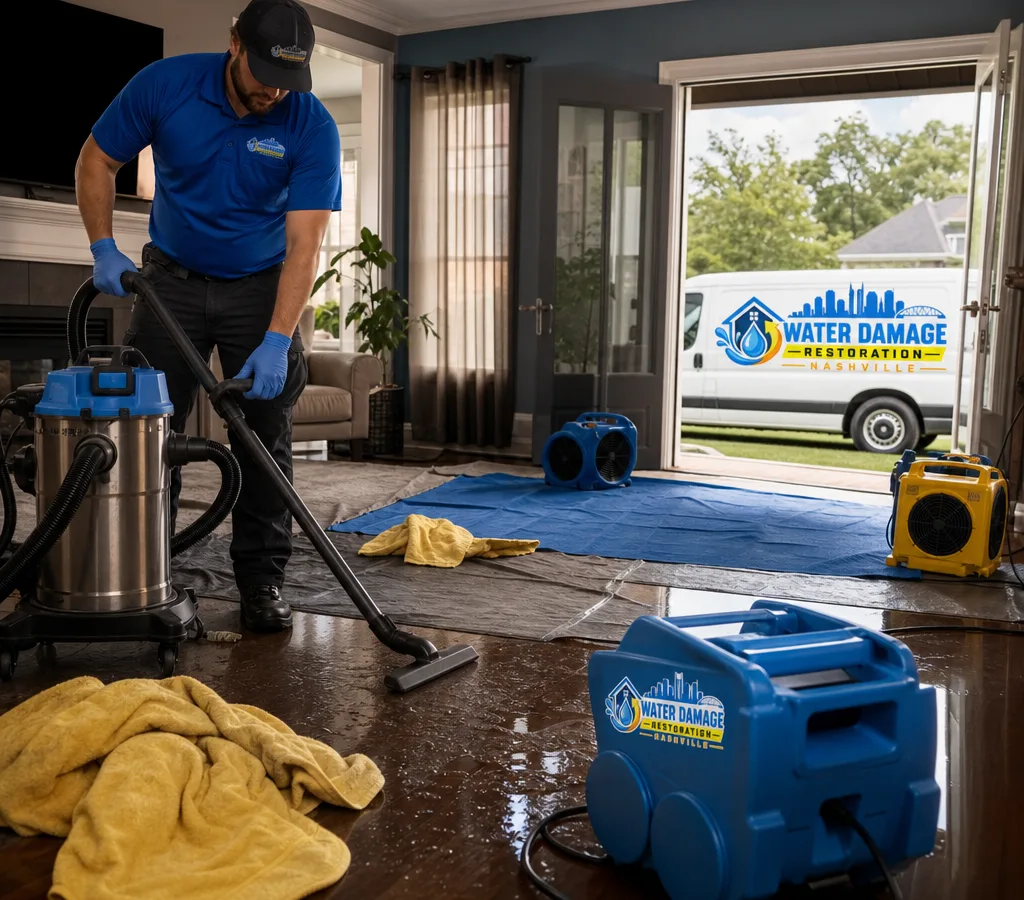
Fast, practical storm damage repair for water intrusion
Storm damage repair Nashville homeowners usually need starts the same way: wind driven rain finds a path in, gutters overflow, a sump fails, or a leak opens up where the building envelope is weakest. The result is water behind baseboards, under flooring, in insulation, and inside wall cavities.
Water Damage Restoration Nashville handles storm related water damage from the first emergency steps through drying and repair planning. The goal is to prevent secondary damage like swelling, delamination, corrosion, and microbial growth by getting the water out and controlling moisture quickly.
If you want a quick overview of who we are and how we operate day to day, Water Damage Restoration Nashville shares what to expect when you reach out and how our team schedules urgent work.
From mitigation to repair planning
We start by locating the active intrusion, shutting down water when needed, and checking for safety issues like wet electrical areas, ceiling sag, or compromised materials before equipment goes in.
Standing water gets extracted first. If materials cannot be dried in place, we remove only what is necessary, such as wet drywall, saturated insulation, or swollen baseboards.
Air movers and dehumidifiers are set to the right capacity for the affected area. Drying is guided by moisture readings, not guesswork.
When stormwater contacts building materials, we clean affected surfaces and use appropriate antimicrobial products when conditions warrant it, then address odor sources after drying begins.
We document affected rooms, moisture mapping, and drying progress so you have a clear record of what happened and what work was required.
Once the structure is dry, we outline what needs to be rebuilt or replaced so you can make decisions with a written scope, clear priorities, and realistic timing.
Find the hidden water path
In Nashville, intense downpours can overwhelm drainage and expose weak points fast. Older homes common in areas like East Nashville and parts of Sylvan Park often have layers of past repairs, older window flashing details, or mixed materials that let water travel farther than it first appears. In newer builds around The Nations, water can move quickly through open framing cavities and show up in a different room than the entry point.
We approach storm damage repair like an investigation. We look for the source path—roofline, soffit, window and door openings, exterior penetrations, crawlspace vents, or slab edge—then verify the spread with moisture meters and targeted inspection. That matters because drying only what you can see often leaves moisture behind walls or under flooring, where it keeps causing damage.
If the storm caused a leak that keeps reappearing, the best result usually comes from combining mitigation with a clear water damage restoration plan that finishes the job after the structure is dry.
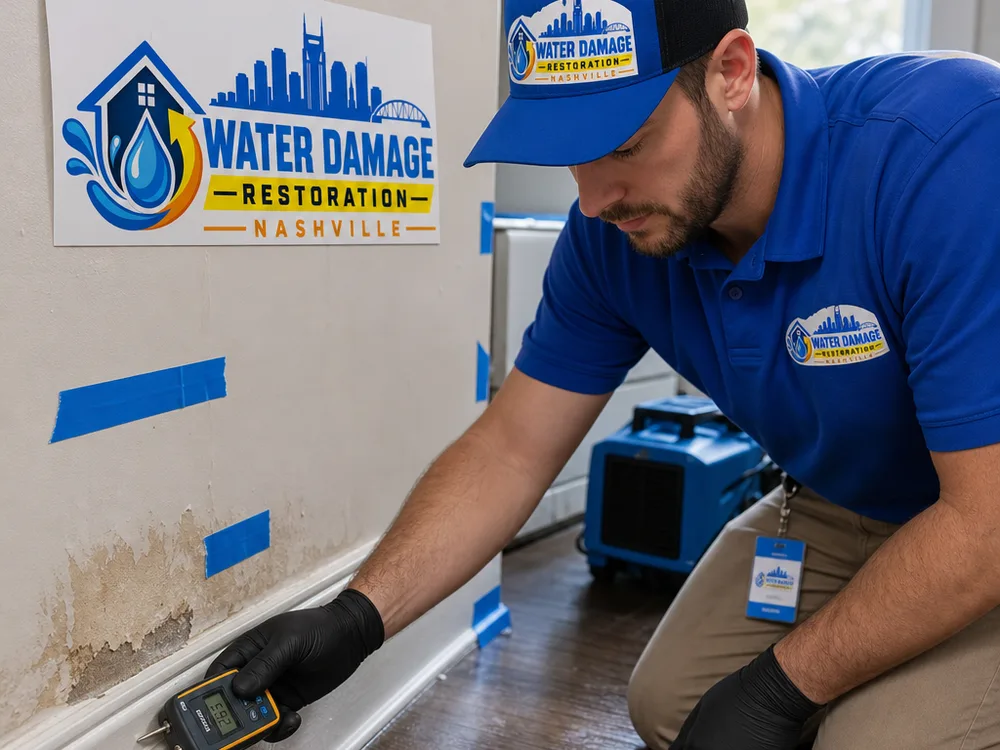
We confirm the type of water intrusion, identify immediate hazards, and map affected areas. You get straightforward guidance on what to do right away, including power, contents, and access.
If water is still coming in, we help coordinate the immediate stop and take steps to limit spread inside, including containment when needed.
We extract standing water and remove materials that cannot be dried properly. This is kept as tight as possible so the rebuild is simpler and costs stay controlled.
We set equipment based on the size of the loss and materials affected, then track progress with moisture readings until drying goals are met.
We clean impacted surfaces and address odors once source moisture is controlled. When stormwater contamination is suspected, cleaning steps are adjusted accordingly.
When drying is complete, we document the result and provide a clear scope of what needs repair or replacement so you can move forward with fewer delays.
Plan the scope
Storm damage repair in Nashville typically ranges from about $900 to $3,500 for minor water intrusion with basic extraction and drying, while larger multi-room losses often run $3,500 to $12,000+. Flooding with material removal and rebuild planning can exceed that.
Your final price depends on how far water traveled through walls, floors, and insulation; how long it sat; how much demolition is needed to dry correctly; access to affected areas such as crawlspaces, attics, or tight rooms; and how many days of drying equipment are required. Exact costs are confirmed after an on-site inspection and moisture mapping.
Customer experiences
“A storm pushed water under our back door and soaked the living room floor. They showed up quickly, explained what had to come out versus what could be dried, and kept checking moisture until it was actually dry. The documentation made the insurance conversation much easier.”
“We had a leak in a wall after heavy rain that didn't show up until the next day. They found the wet area behind the baseboard, set up drying equipment, and the smell we were worried about never developed.”
Practical answers
You should start storm damage repair the same day whenever possible because materials like drywall, insulation, and flooring begin to degrade quickly once they are wet. The sooner extraction and drying begin, the less likely you are to face swollen trim, warped flooring, and moisture spread into wall cavities.
Prioritize safety: avoid wet electrical areas, shut off power to affected rooms if you can do so safely, and stop the water source if it is still active. Move small valuables and electronics to a dry area and blot standing water with towels, but avoid pulling up flooring or opening walls unless directed.
Sometimes, yes, because trapped moisture behind drywall or under floor coverings cannot always be dried effectively in place. We confirm this with moisture readings and inspection, then remove only what is necessary to reach dryable surfaces and prevent hidden moisture from causing later damage.
Most drying takes about 3 to 5 days, but the timeline changes with humidity, how saturated materials are, and whether water reached insulation or multiple layers of flooring. We monitor moisture during the drying period and adjust equipment so drying stays on track.
Yes, we document affected areas, moisture mapping, equipment placement, and drying progress so you have a clear record of what work was required. That documentation helps support your claim and reduces back-and-forth over what was wet, what was removed, and why drying took the time it did.
It can be, especially when water enters from outside and picks up soil and debris before coming indoors. When contamination is suspected, we emphasize cleaning affected surfaces, removing porous materials that cannot be sanitized, and controlling odors after drying begins.
Yes, storm water intrusion affects both residential and commercial spaces, and the approach is similar: stop the water path, extract, dry, and document. Commercial jobs often need tighter scheduling around occupants and operations, plus careful containment to keep unaffected areas usable.
If storm water has reached floors, walls, or ceilings, a clear early scope helps prevent missed moisture and reduces repair delays.
Call for Emergency HelpStart drying the right areas
Share the location of the damage, when the storm hit, and where water is showing up. We'll respond quickly, inspect for hidden moisture, and lay out a practical drying and repair plan for your Nashville property.