Containment to keep spores from spreading
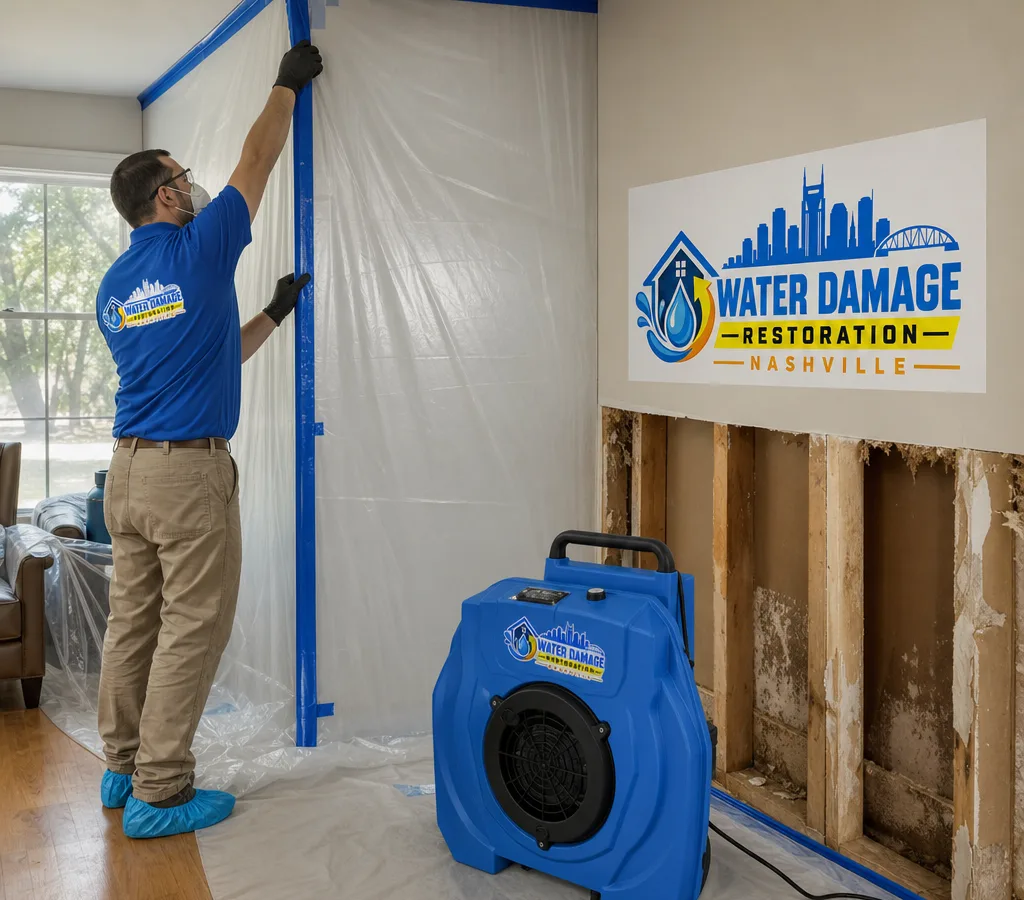
We use physical barriers (poly sheeting and sealed doorways) and controlled airflow so disturbed spores stay in the work zone instead of moving through the house.
Serving Nashville, Tennessee & surrounding areas
Mold removal in Nashville, TN
Stop the spread, protect indoor air, and get a clear remediation plan backed by documented steps and safe containment.
Start with the source
If you are searching for mold removal Nashville homeowners can trust, you are probably dealing with more than a surface spot. Mold grows when materials stay damp, so lasting remediation depends on controlling moisture, isolating the work area, removing damaged materials when needed, and cleaning remaining surfaces with the right methods.
Our team at Water Damage Restoration Nashville handles mold remediation for homes and businesses across Nashville, TN. We focus on practical next steps: what is affected, what must be removed, what can be cleaned, and what needs drying or repairs to keep mold from returning.
Nashville's humidity and frequent swings between warm and cool weather can keep basements, crawlspaces, and wall cavities damp longer than people expect. That is why we treat mold as a building materials problem and an airflow problem, not a cosmetic issue.
Professional remediation standards
We use physical barriers (poly sheeting and sealed doorways) and controlled airflow so disturbed spores stay in the work zone instead of moving through the house.
HEPA air scrubbers and HEPA vacuums capture fine particulate during removal and cleaning, which matters most when drywall, insulation, or framing is disturbed.
Some materials can be cleaned, and some cannot. Porous, heavily impacted items like drywall and insulation often require removal to reach clean structural surfaces.
If humidity, a leak, or condensation is still present, mold can return. We identify likely moisture sources and recommend what must be corrected.
You should know what was found, what was done, and what conditions must be maintained afterward. We explain the plan in plain language and keep records of the work.
Common problem areas
Mold problems in Nashville commonly start in places that stay dark, damp, and under-ventilated.
In East Nashville and areas with older housing stock, we often see mold tied to aging plumbing, older bath ventilation, or prior repairs that trapped moisture behind finishes.
In Bellevue and other neighborhoods with lots of crawlspace foundations, moisture can build under the home and move upward through framing if the crawlspace stays humid or has poor vapor control.
Around Donelson and other spots near the Cumberland River, seasonal moisture and storm-related water intrusion can leave wall cavities wet long enough for growth if drying was incomplete.
Downtown and The Gulch include many condos and mixed-use buildings where HVAC condensation, bathroom exhaust issues, or leaks from neighboring units can create hidden mold in ceilings and shared walls.
No matter the neighborhood, the right first move is the same: isolate the affected area, confirm how far moisture traveled, and choose removal and cleaning methods that match the materials involved.
Controlled from start to finish
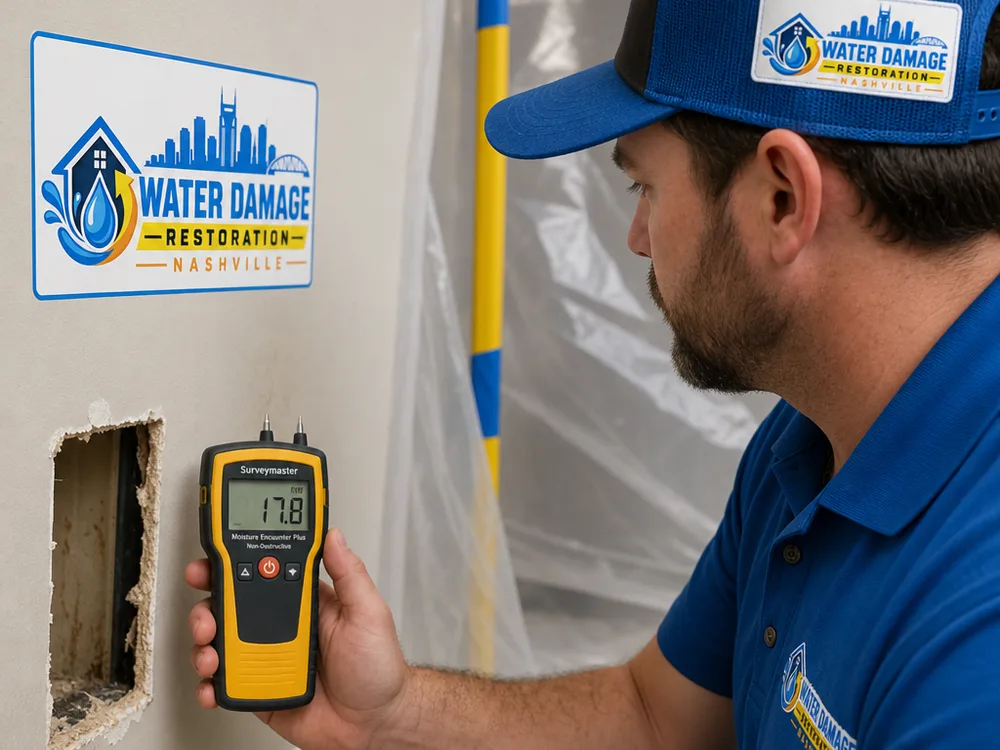
We look for visible growth and the moisture conditions that allow it. We check likely sources such as plumbing leaks, roof leaks, condensation points, and wet building materials.
We set up containment with poly sheeting and establish safe airflow. Floors and nearby contents are protected or moved as needed to prevent cross-contamination.
When porous materials are contaminated or wet for too long, we remove them to expose the structure. Common examples include drywall sections, insulation, carpet pad, and swollen trim.
We HEPA vacuum and clean remaining surfaces using methods appropriate for the material, including careful cleaning on framing and sheathing without driving moisture deeper.
If moisture is still present, we guide the drying plan. The goal is to get materials back to a dry condition so mold cannot re-establish.
We review what was done, what was removed, and what conditions you need to maintain—ventilation, humidity, and any repairs—so the problem does not come back.
Plan the scope
Mold removal in Nashville typically ranges from about $750 to $6,000+, depending on how much area is affected and whether damaged drywall, insulation, or flooring must be removed and replaced. A small, contained spot in a bathroom or laundry area is often on the lower end, while multi-room or crawlspace projects with heavy contamination and strict containment run higher.
Final pricing depends on square footage, access (attic, crawlspace, behind cabinets), how far moisture traveled, required containment level, and whether contents need protection or cleaning. The exact cost is confirmed after an on-site inspection and written scope.
If you have visible mold or a persistent musty odor, the fastest way to reduce risk is to get an inspection and a written plan that explains containment, removal, cleaning, and what needs to be fixed to stop moisture.
Call for Emergency HelpCustomer experiences
“They did a careful walkthrough, explained what had to be removed, and kept the work area sealed off. The air scrubbers ran the whole time and the space smelled clean again when they finished.”
“We had mold in a closet wall that kept coming back. They found the moisture source, removed the damaged drywall, and showed us what ventilation changes mattered. It has stayed dry since.”
Practical answers
Most mold remediation jobs take 1 to 3 days once work begins, but timelines depend on containment setup, how much material must be removed, and how quickly the area can be dried. If the underlying moisture issue needs repairs or drying time before rebuilding, the total project time can extend beyond the cleanup days.
It can be, as long as the affected area is properly contained and airflow is controlled, but some situations are better handled with people and pets out of the work zone. We explain what rooms to avoid, how we isolate the area, and whether temporary relocation is recommended based on the location and extent of the mold.
Drywall and insulation often need removal when they are contaminated or have been wet long enough that growth is within the material. Non-porous and semi-porous surfaces may be cleaned and HEPA vacuumed, but the decision is based on material type, condition, and whether you can reach clean structure behind the finish.
Testing is not required for every situation, especially when there is visible mold and clear moisture damage, because the remediation approach is driven by removing affected materials and controlling moisture. Testing can help when you have unexplained odors, conflicting opinions, or you need baseline documentation, and we can talk through whether it is worthwhile for your specific Nashville property.
Limit disturbance of the area, avoid running fans that could push spores through the home, and stop the moisture source if it is safe to do so. If the area is actively wet, that moisture has to be addressed alongside cleanup. If the mold followed a leak or water intrusion event, our Water Damage Restoration team can also help you coordinate the drying and repair plan so the conditions that caused growth are corrected.
Yes. Crawlspaces can stay humid in Middle Tennessee, and mold can develop on joists, subflooring, and stored materials when ventilation and vapor control are inadequate. We focus on safe access, containment as needed, cleaning or removal based on what is impacted, and clear guidance on moisture control so the crawlspace does not re-contaminate the home.
Start with a clear plan
Tell us what you are seeing and where it is located. We will schedule an on-site inspection in Nashville, provide a written scope, and walk you through the remediation steps and the moisture fixes that matter.