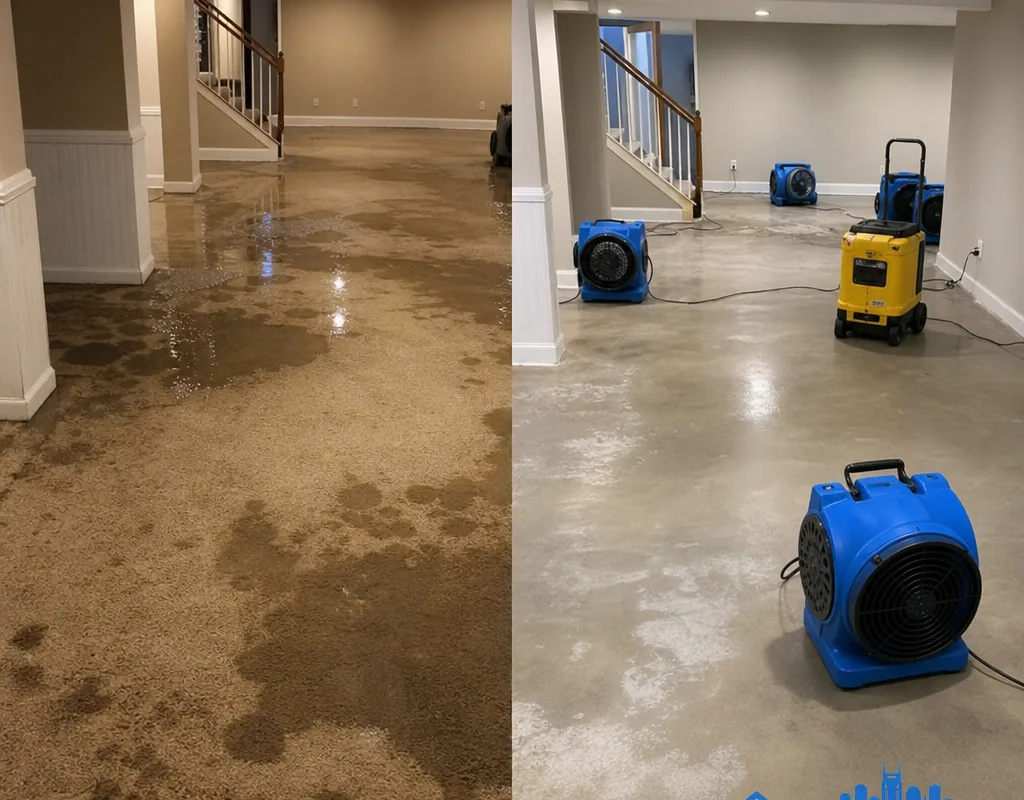
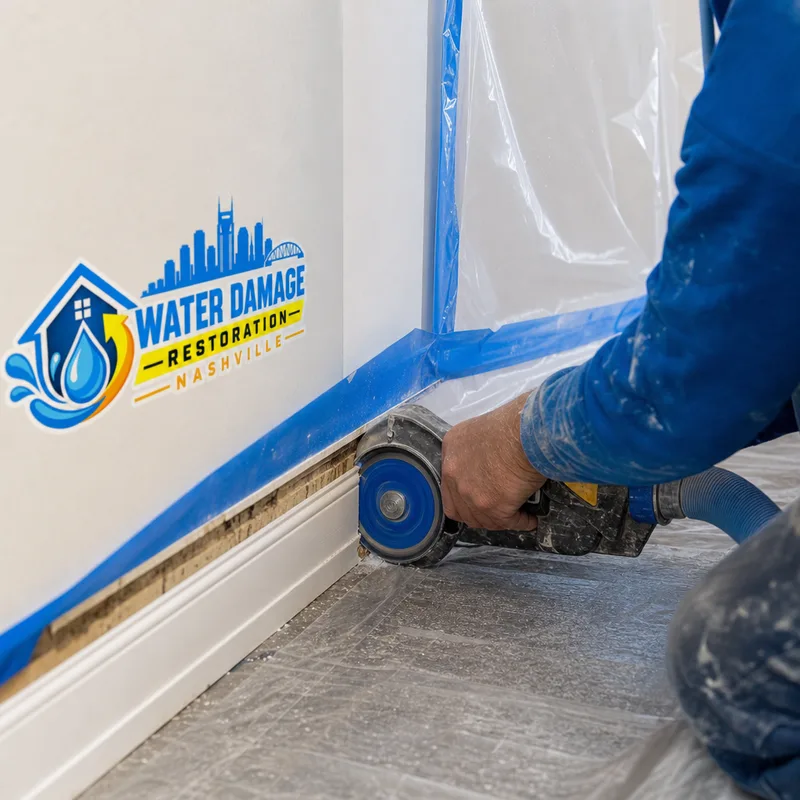
Rapid stabilization
The priority is to stop the spread: remove water, lower humidity, and protect surfaces and contents so damage does not compound.
Serving Nashville, Tennessee & surrounding areas
Flood restoration in Nashville, TN
Fast response for cleanup, drying, and rebuild coordination after stormwater, creek overflow, or indoor flooding. Get a clear plan to stop damage from spreading and bring the property back safely.
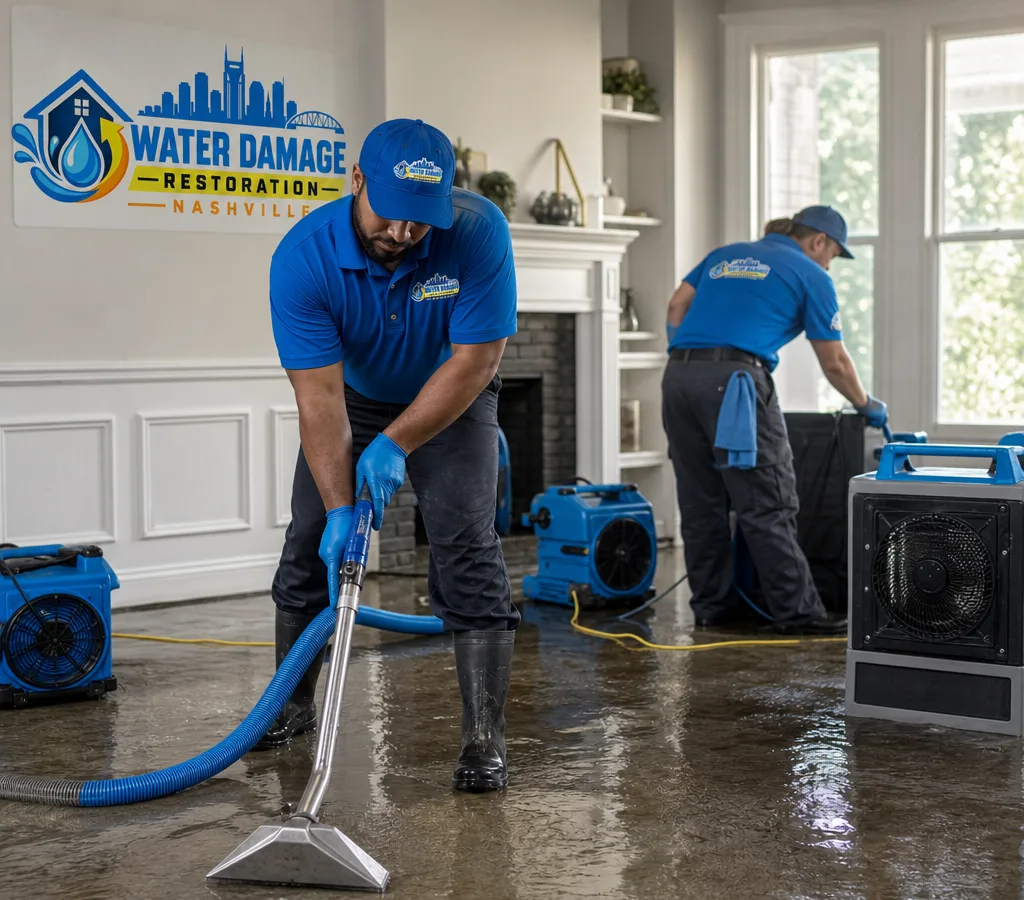
Act before moisture spreads
Floodwater moves fast, and the first few hours determine how much of your home can be saved. Our flood restoration Nashville team focuses on controlling moisture, protecting materials, and documenting what happened so repairs can move forward without guesswork.
A complete flood restoration scope typically includes:
In Nashville, heavy rain events can overwhelm drainage and push water toward foundations, garages, and lower levels. Even when standing water is gone, moisture trapped in wall cavities and under floors can keep feeding swelling, corrosion, and microbial growth. The goal is to get the structure back to a verified dry standard, not just make it look dry.
Water Damage Restoration covers additional situations beyond flooding.
Measured at every stage
You should know what will happen when a restoration crew arrives. We keep the process simple and measurement-driven so you can make decisions quickly.
We start by identifying electrical hazards, checking for sewage contamination indicators, and confirming the water source is stopped or contained. When needed, we coordinate shutoffs and safe access before equipment is brought inside.
Extraction happens first because every gallon removed reduces drying time. If wet materials cannot be dried effectively, we remove them in a controlled way to open cavities and prevent hidden moisture.
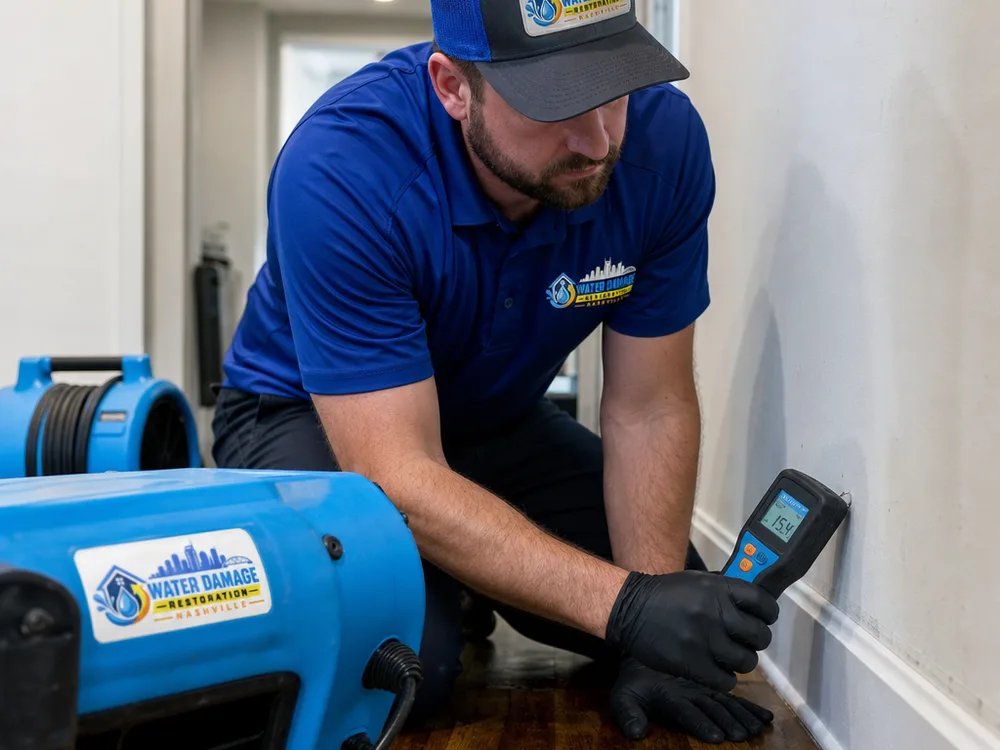
Hardwood, engineered flooring, drywall, plaster, and cabinetry each respond differently. We set airflow, temperature, and dehumidification to match the structure, then adjust based on daily readings.
We log moisture readings and equipment settings so the drying plan is defensible. Once the structure meets dry targets, we outline repairs so finishes are not installed over trapped moisture.
This approach is especially important in areas with a mix of older homes and newer builds, where construction details vary widely and hidden pockets of moisture can linger.
Property-first restoration
The priority is to stop the spread: remove water, lower humidity, and protect surfaces and contents so damage does not compound.
We use moisture mapping and documented readings so decisions are based on data, not appearances.
When flooding includes stormwater or sewage, we treat affected areas as contaminated and use appropriate cleaning and disposal practices.
We evaluate what can realistically be dried and what should be removed to avoid swelling, warping, and trapped moisture.
After drying, we provide a clear scope for what needs rebuilding so you can plan timeline and budget without vague allowances.
We work around the realities of Nashville homes, including finished basements, crawlspaces, and split-level layouts where water often migrates.
Built around the source and structure
Flood restoration is not one-size-fits-all. The water category, where it traveled, and how long it sat all change the plan.
Common situations we restore after:
Many older homes have original subfloors, plaster walls, and layered renovations that can hide moisture. That often means more careful moisture mapping and targeted opening of cavities.
Split-level homes and hillside lots can move water into garages and lower floors quickly, making early extraction and drying of wall bottoms critical.
Crawlspaces and low-lying properties can leave insulation and framing wet beneath the home, keeping humidity high without proper drying and ventilation control.
Newer builds and renovated cottages often include engineered flooring and base cabinets where fast decisions help limit swelling and delamination.
If you tell us where the water entered, how deep it got, and what rooms were affected, we can triage the likely next steps before we arrive.
Request Emergency ServicePlan the scope
Flood restoration in Nashville typically ranges from about $1,500 to $8,000+ for many residential situations, with major floods that require extensive demolition and rebuild work costing more. Smaller projects are usually limited to extraction, equipment drying, and minor material removal, while larger losses involve multiple rooms, cabinets, flooring, and wall systems.
Your final price depends on water category, how far water traveled, the square footage and material types affected, how long drying takes, and how much needs to be removed to reach dry structure. Exact cost is confirmed after an on-site inspection and moisture mapping.
Protect yourself and the property
If water is near outlets, breakers, or ceiling fixtures, avoid entering the area until power is confirmed safe. If you can safely stop the water source, do it.
Keep people and pets out of affected rooms. If the water may be contaminated, avoid contact and do not run HVAC until assessed.
Take clear photos and notes of the source, water depth lines, and affected rooms. This helps with insurance discussions and repair planning.
Avoid installing new flooring, closing up wet walls, or painting over damp materials. Drying must be verified before rebuild work starts.
A restoration team can extract water, set equipment, and monitor moisture so the home dries evenly and hidden wet areas are addressed.
Practical answers
Response time depends on current storm demand, but flood restoration is treated as urgent because standing water and high humidity can damage materials quickly. When you reach out, we will triage the situation and schedule the earliest possible arrival for extraction and equipment setup.
Some materials can be saved, but it depends on water category, how long they stayed wet, and what is underneath. Clean-water events addressed quickly sometimes allow drying of hardwood or cabinet boxes, while contaminated floodwater often requires removing porous materials.
Clean water comes from a sanitary source like a supply line, while contaminated water includes storm runoff, creek overflow, or sewage backups and needs stricter cleaning and disposal practices. The category affects what can be dried, what must be removed, and the sanitizing required.
Most structural drying takes about 3 to 7 days once equipment is running, but it can be longer when water reaches crawlspaces, wall cavities, or multiple layers of flooring. Moisture checks guide equipment adjustments and confirm when repairs can begin.
Yes, we can provide documentation such as moisture readings, photos, and a written scope that supports the restoration plan. Coverage varies by policy and cause of loss, so start documentation early and keep records of emergency actions.
Not always, but you may need to avoid certain rooms due to equipment, noise, and drying conditions. If contaminated water is involved or key areas are unusable, temporary relocation can be the practical choice until the home is cleaned and stable.
Start with a measured plan
Tell us what happened, where the water traveled, and what rooms are affected. Water Damage Restoration Nashville will guide the next steps, inspect the structure, and outline a drying and repair scope you can trust.