Musty odor with no obvious source
Odors often come from hidden damp materials. Testing paired with moisture mapping helps narrow the search so you are not opening walls at random.
Serving Nashville, Tennessee & surrounding areas
Mold testing in Nashville, TN
Get clear answers fast: where the mold is coming from, what type it is, and what to do next. Certified testing with straightforward reporting for Nashville homes and small businesses.
Start with evidence
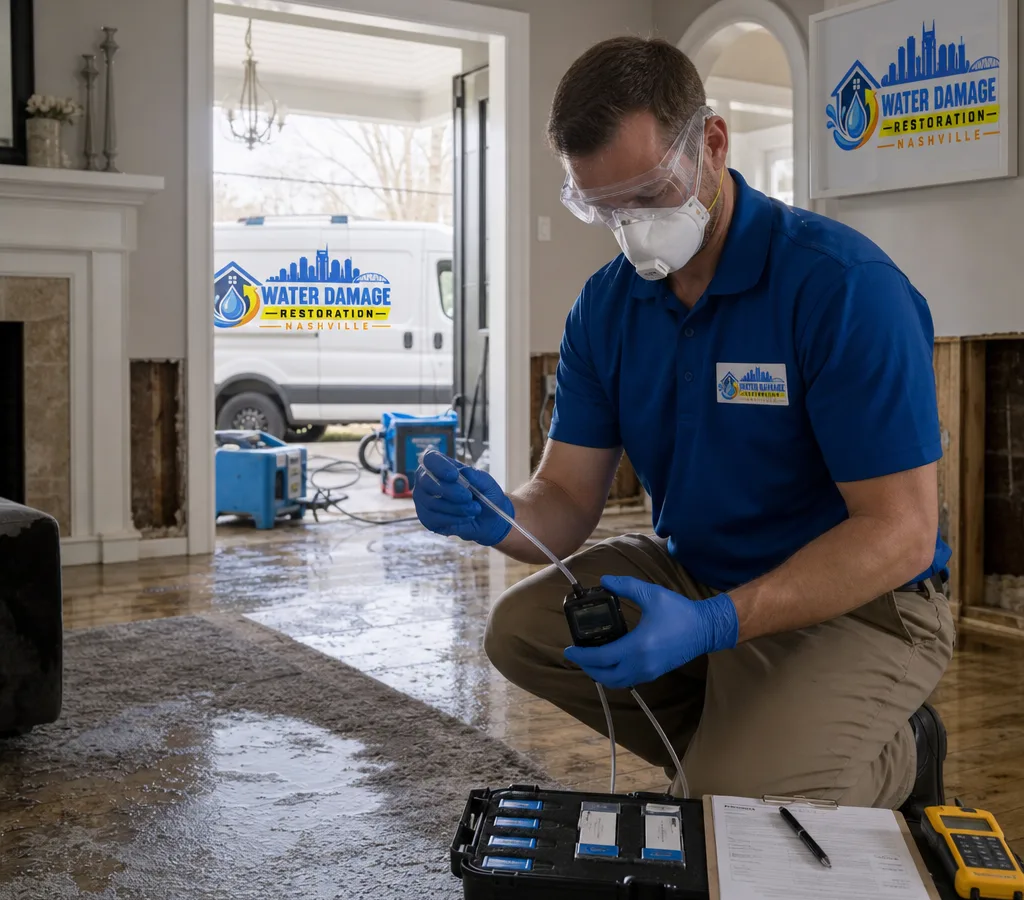
If you are searching for mold testing Nashville homeowners can rely on, you probably want two things: reliable lab results and a plan that makes sense for your property. Mold is a symptom, not a mystery. The goal of a good inspection is to connect what you see or smell to what is happening behind walls, under flooring, or in the HVAC system.
Our certified mold inspection process focuses on three outcomes:
We work throughout Nashville, including condos and older homes where hidden cavities, finished basements, and mixed building materials can complicate a quick visual call. If you have had a leak, a musty odor, recent flooding, or ongoing humidity issues, testing provides a baseline before you spend money on repairs or remediation.
If you are also dealing with an active leak or recent flooding, Water Damage Restoration Nashville can coordinate the inspection with water damage restoration so you are not guessing at the sequence of work.
Diagnostic inspection
A proper mold inspection is more than taking a single air sample in the middle of a room. We start by asking what changed: a roof leak, a plumbing overflow, a wet crawl space, a new odor after the HVAC runs, or staining that keeps returning.
Typical steps during Nashville mold testing include:
Sampling strategy matters. We place samples where people actually breathe, such as bedrooms and living areas, and near suspected sources rather than relying on a single central location.
You receive a written report noting what was inspected, where samples were collected, the lab findings, and practical next steps based on observed conditions.
Know when to test
Odors often come from hidden damp materials. Testing paired with moisture mapping helps narrow the search so you are not opening walls at random.
If materials stayed wet long enough, mold can start growing out of sight. Testing documents current conditions and helps confirm whether drying and repairs were sufficient.
A lab ID can help distinguish common indoor molds and guide the urgency and containment needed for next steps.
Buyers and sellers use mold testing to reduce uncertainty when a home shows past moisture issues, a crawl space smell, or discoloration in an attic or closet.
While testing is not medical advice, it can confirm whether indoor air is being impacted compared to an outdoor baseline, which is useful information for a household plan.
Plan the inspection
Mold testing in Nashville typically ranges from about $250 to $750, depending on the size of the property, how many areas need inspection, and the number of lab samples. A focused visit with 1 to 2 air samples is often on the lower end, while larger homes, multiple rooms, HVAC concerns, or added surface or material samples can push costs higher.
Price is driven mostly by sample count, access such as an attic or crawl space, how much moisture mapping is needed, and whether you need rush reporting. The exact cost is confirmed after we understand your concerns and the sampling plan for your property.
From concern to clarity
We ask where you noticed issues, whether there was a recent leak, and what outcome you need, including health concerns, real estate documentation, or post-repair confirmation. This shapes the inspection and sampling plan.
We inspect the areas of concern and check building materials for elevated moisture. If HVAC is part of the concern, we look for signs of condensation and air movement patterns.
We collect air, surface, or material samples based on conditions. An outdoor control sample is typically used to help interpret indoor results.
Samples go to an accredited lab for analysis. You receive a report with findings, locations sampled, and practical recommendations tied to what was observed.
If results indicate a problem, we outline containment and remediation considerations and the moisture fix needed to prevent recurrence. If results do not indicate a problem, you still get documentation and guidance on monitoring.
Documented in the field
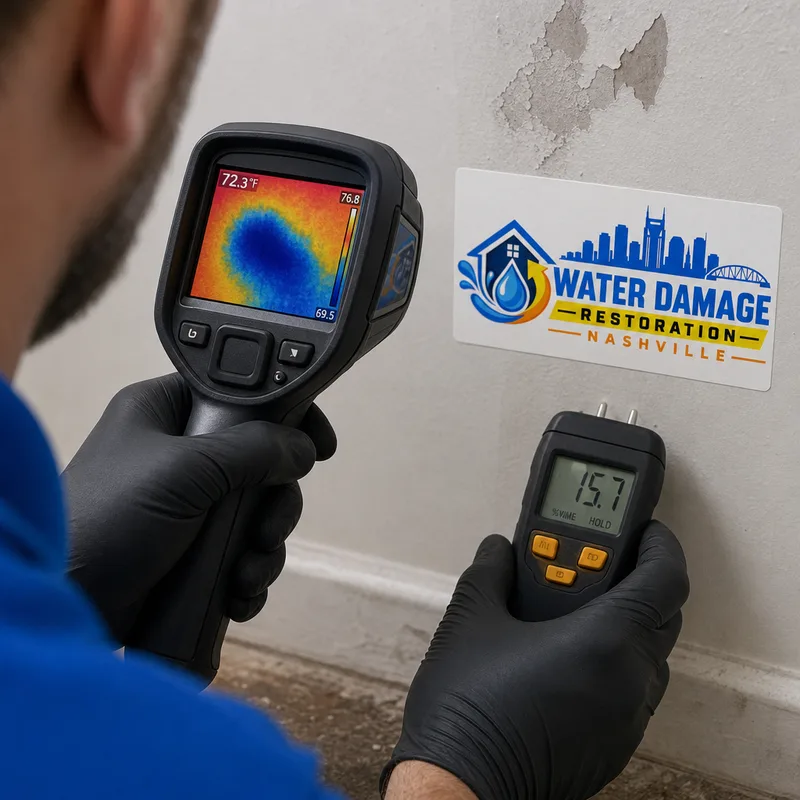
If you want answers before you commit to repairs, schedule a certified inspection and get a written report with clear next steps for your Nashville property.
Call for Emergency HelpPractical answers
Most mold testing appointments can be scheduled quickly, and lab results commonly return within a few business days. Timing depends on sample volume and whether you need rush processing, but we set expectations up front so you know when to expect the written report.
If you can see visible growth, testing is most useful when you need identification for documentation, want to check whether other rooms are affected, or need a baseline for post-remediation clearance. If the moisture source is still active, fixing that source is the priority alongside any remediation plan.
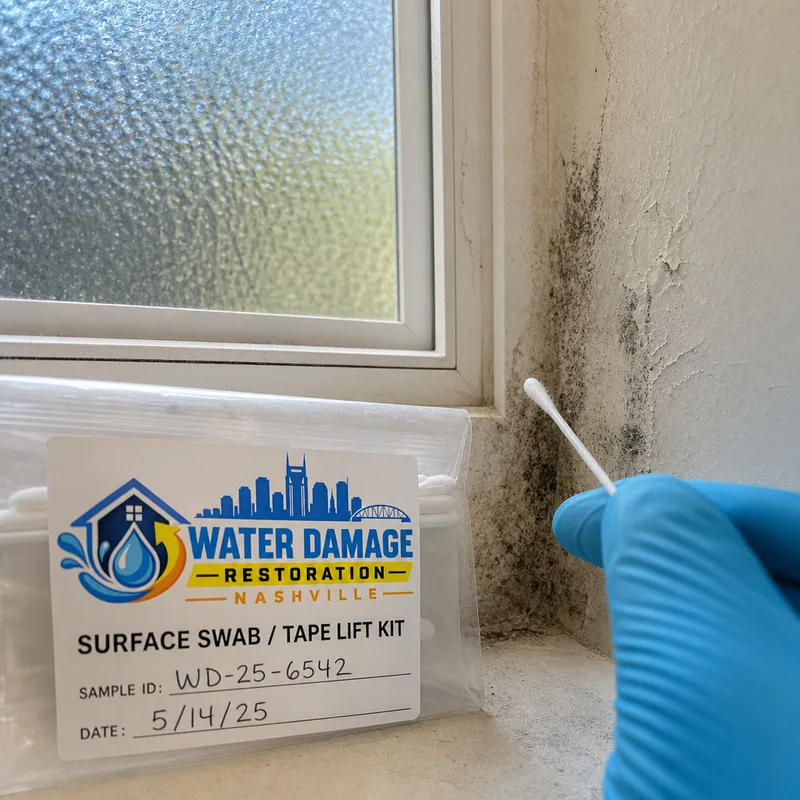
Air sampling measures what is suspended in the air in a specific area at that time, usually compared to an outdoor control sample. Surface sampling identifies what is growing on a specific spot, which helps when visible growth exists or when you need documentation for a targeted area.
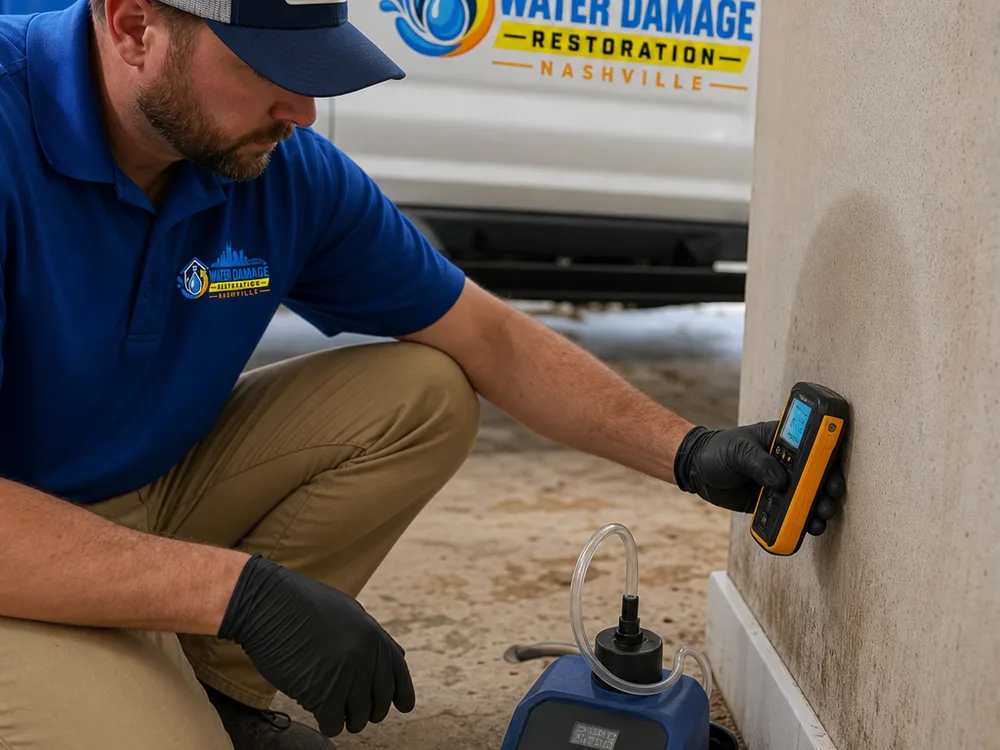
Testing identifies what is present, but finding the source comes from inspection and moisture mapping. We use tools like moisture meters and, when appropriate, thermal imaging to locate damp materials because mold growth follows moisture from leaks, condensation, or chronic humidity.
HVAC-related testing is worth considering if you notice odors when the system runs, see visible growth around supply vents, or have condensation issues. In Nashville summers, high humidity can contribute to condensation when air movement and insulation are not balanced, so we look at the system's role during the inspection.
Yes, in most situations you can stay home during the inspection and sampling. If we need to access tight areas like an attic or crawl space, we may ask for clear pathways and to keep pets away from the work area while samples are collected.
Yes, post-remediation verification can confirm whether conditions in the treated area have improved based on the agreed sampling plan. Clearance is most meaningful when containment and cleaning were done correctly and the moisture problem has been corrected.
Do not clean or disturb suspect areas right before the visit, and avoid running air purifiers in the rooms we will test for several hours beforehand if possible. Photos of past leaks or repairs are helpful, and clearing access to closets, under-sink cabinets, and HVAC equipment speeds up the inspection.
Test before you guess
Tell us what you are seeing or smelling and where it is happening. We will recommend a sampling plan, complete the inspection, and deliver a written report that explains the findings and the next steps for your Nashville home or business.